
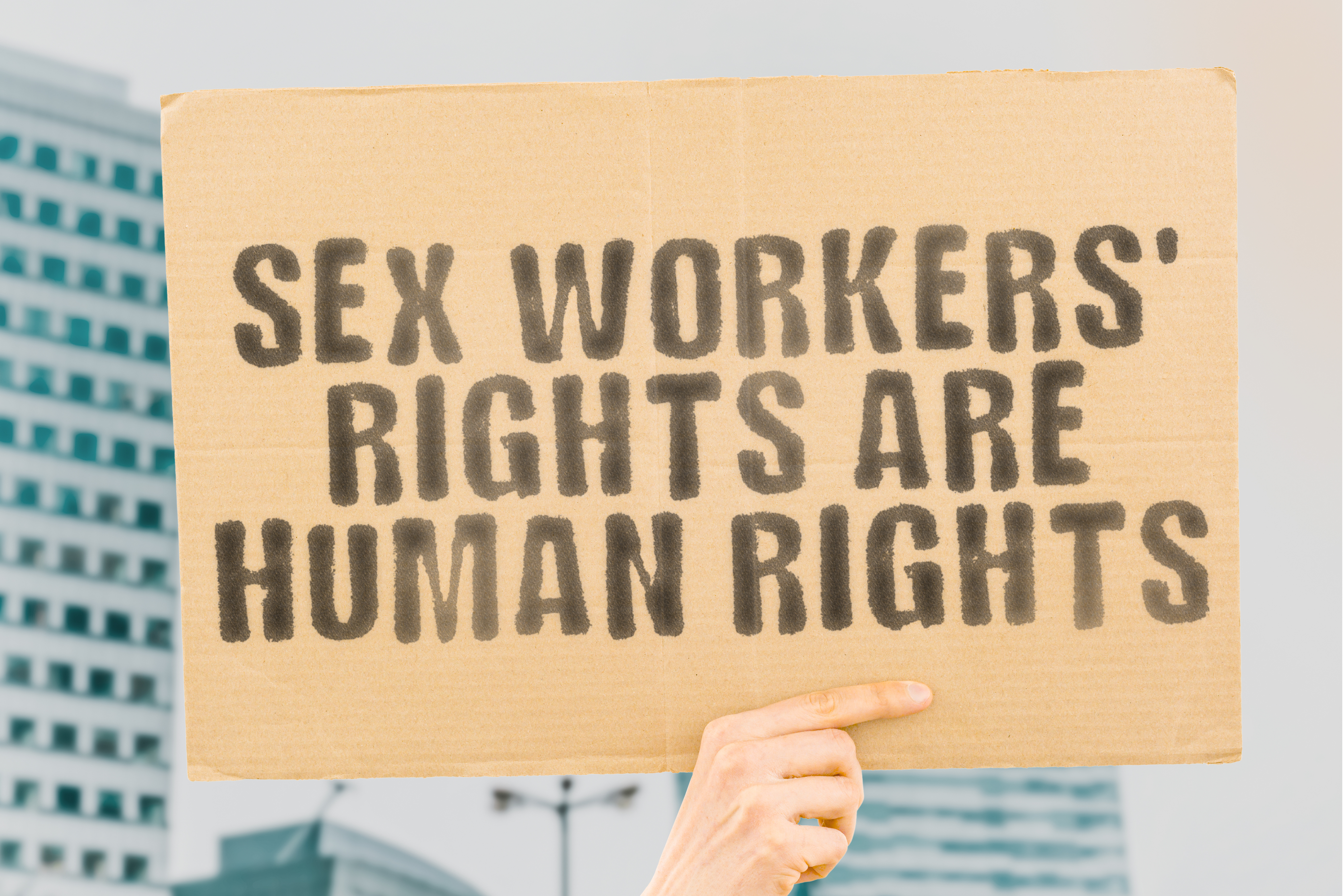
Sex Work has been around for centuries. “The oldest profession” includes people of all
types of ethnicities, genders, backgrounds, etc. In healthcare we are taught to take care
of everyone, give everyone the same level of care and effort. Why wouldn’t we include
the profession that has the demographic of everyone?
The sex worker community in Central Illinois (especially the Peoria area) is much larger
than the general public realizes. And a large portion of them being people of the
LGBTQIA+ community, people of color, those living with mental illnesses, and
especially single parents.
In my time as a sex worker and a healthcare professional, there has been more than
one occasion where I have been treated differently once I mention that I was a sex
worker or something else “risqué” about my personal sex life. I would get responses of
awkward silence, side eyes, questions like “why would you do that?”, “so how many
STDs have you had then?”, “um this is a Christian-based clinic”, etc. And even a
healthcare worker who took a step away from me like I was dirty or contagious and less
deserving of their time and help. And yet I still consider myself one of the lucky ones.
It’s not uncommon for sex workers to be denied healthcare because of their occupation.
Most sex workers are fearful of the healthcare field and going to the doctor because of
the possible discrimination and being “turned in” with certain aspects of sex work still
being outlawed. That coupled with the lack of health insurance and access to care
makes it even more difficult for members of the sex worker community to take care of
themselves and their families the way we all deserve.
I have heard so many other sex workers have rough experiences being cared for and/or
getting care for their children and families. One that always stuck out to me personally
was to be more inclusive of sex workers in public health, we need to first acknowledge our
own biases. How does someone else participating in sex work make me feel? How
does it affect me? Is it any of my business how someone else makes their money?
Does it change how I should do my job and provide them the best possible care if
someone is a sex worker? By asking ourselves these (and other) questions, we can see
our own areas for growth and acceptance.
Sex workers need to know they are in a safe space. They need to know they can trust
their healthcare providers not to tell on them. They need to know that their healthcare
provider will not deprive them of the best possible care, of the same care that they gave
to the person before them and the care they will give to the person after them. That their provider will not discriminate against them just because of what they do to make ends
meet. It is our duty and responsibility to actually walk them through what it means for
their information to remain private and protected.
Not everyone realizes that there are varying degrees of sex work. While the stigma of
the name “sex work” is automatically attached to the word “prostitution” not every sex
worker participates in prostitution. Especially now we see more forms of sex work
including internet work, exotic dancing, “sugar daddy” situations, etc. Some people who
participate in certain lines of sex work may not identify with the sex worker community
as well. As healthcare workers, it’s our duty to let our patients tell us their story, rather
than assuming. It’s important that we let them feel as comfortable as possible so that
they feel they can trust us with the sensitive information of their habits and health.
Sex workers deserve healthcare too, just as much as the rest of us. No less deserving
of the same rights that we strive to obtain for ourselves. Sex workers are humans too. It
seems like an obvious statement but it’s alarming how inhumane sex workers are
treated nationally and globally.
Whether or not you support the business of sex work, it is our job and our mission to
support the people in sex work. To treat them like people, like equals, like every patient
that walks through our door, like they belong.
